Most sofas in Kolkata die younger than they should. Not because the frame breaks — wooden and metal frames routinely outlast their upholstery by decades. They die because the foam collapses, the fabric tears, or the rexine starts peeling in sheets. And most people replace the entire sofa when all they actually needed was a reupholstery job.
This guide is for anyone who wants to understand upholstery materials: what foam density actually means, why some fabrics survive Kolkata's humidity and others don't, and how to choose the right combination for your furniture.
What is upholstery and why does it matter?
Upholstery is the padding, springs, webbing, and fabric used to cover furniture — sofas, chairs, headboards, car seats, restaurant booths. The quality of upholstery determines how a piece of furniture feels, how long it lasts, and how good it looks five years after you bought it.
In Kolkata's climate, upholstery is particularly demanding. Humidity encourages mould in low-density foam. Heat accelerates fabric fading. Salt air near the coast degrades metal springs. Choosing the right materials from the start avoids expensive replacements later.
Types of upholstery foam
Foam is the core of any upholstered furniture. The wrong foam density makes a sofa feel like a hammock within two years.
High-resilience (HR) foam
HR foam is the gold standard for sofa and chair seating. It compresses under weight and springs back to its original shape reliably. IFD (Indentation Force Deflection) ratings measure firmness — a sofa seat typically needs 25–35 IFD. HR foam is more expensive than standard foam but significantly more durable.
Best for: Sofa seating areas, chair cushions, anywhere that takes regular sitting weight.
Standard density foam
Polyurethane foam at 32–40 kg/m³ density. Adequate for back cushions, decorative uses and bedroom applications. Below 32 kg/m³, foam degrades quickly — avoid it for seating.
Best for: Back cushions, headboards, decorative cushions, lighter applications.
Memory foam
Viscoelastic foam that moulds to body heat and weight. It gives excellent pressure relief but is not ideal as the sole material in sofa seating — it is too slow to recover. Works best as a thin top layer over HR foam.
Best for: Top layers on mattresses, headboards, premium cushion inserts.
Customised foam
Custom-cut foam in any shape, thickness, and density. If you are replacing sofa cushion inserts, refoaming a chair, or building a custom piece, custom foam cutting is the solution.
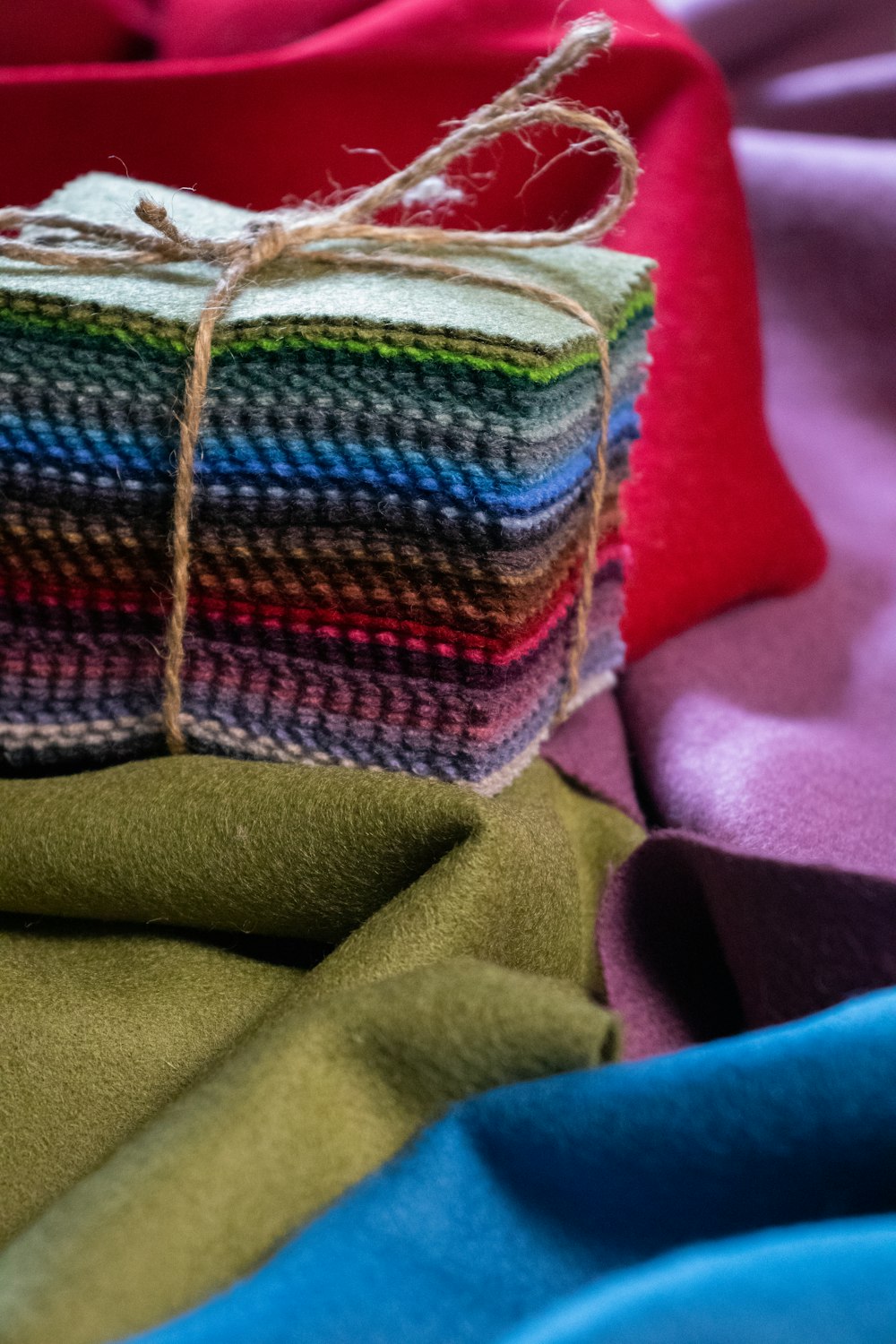
Types of upholstery fabric
Leather
Genuine leather is the most durable upholstery material. It ages gracefully, does not absorb odours, and is easy to wipe clean. Full-grain leather is the highest grade — it shows natural markings and develops a patina over time. Top-grain leather has been sanded for a more uniform look.
Kolkata note: Real leather breathes and handles humidity better than synthetic alternatives. It can feel warm in summer without air conditioning, but quality leather will not peel or crack the way low-grade rexine does.
Leather sheets for sofa
Pre-cut leather panels for sofa upholstery work. Available in multiple grades, colours and finishes — matte, gloss, textured, smooth. Used extensively in custom sofa work and reupholstery projects.
Rexine (PU leather / faux leather)
Rexine is polyurethane-coated fabric that mimics leather at a fraction of the cost. The quality range is enormous — cheap rexine peels within 18 months; premium PU leather lasts 5–7 years with care. In Kolkata's heat, low-grade rexine becomes sticky and eventually cracks.
Look for: Thickness above 1.2mm, fabric backing (not paper backing), UV-stable coating.
Best for: Budget sofas, commercial applications, car upholstery.
Velvet
Velvet is the most luxurious fabric for sofas and chairs. Cotton velvet is the premium choice; polyester velvet is more affordable and more resistant to crushing. Velvet shows pull marks (cat scratches), so avoid it if you have pets.
Best for: Statement sofas, accent chairs, formal living rooms.
Stain-resistant upholstery fabrics
Microfibre and treated woven fabrics with stain-repellent coatings. These are the most practical choice for families with children. Spills bead up and wipe off rather than absorbing into the weave.
Best for: Family homes, dining chairs, commercial furniture.
Cotton and linen blends
Natural fibres that breathe well and feel comfortable in Kolkata's heat. They stain more easily than synthetics but can be cleaned more aggressively. They work well in rooms with good ventilation or air conditioning.
Upholstery fabric comparison
| Material | Durability | Feel in heat | Stain resistance | Price level |
|---|
| Full-grain leather | Excellent | Warm | Excellent | High |
| Top-grain leather | Very Good | Warm | Very Good | High |
| Premium PU Rexine | Good | Moderate | Good | Medium |
| Budget Rexine | Poor | Sticky | Poor | Low |
| Velvet (polyester) | Good | Warm | Moderate | Medium |
| Microfibre | Very Good | Cool | Very Good | Medium |
| Cotton / Linen | Moderate | Cool | Poor | Low–Medium |
| Stain-treated weave | Very Good | Moderate | Excellent | Medium–High |
Kolkata-specific advice
Rexine and heat. The afternoon sun through a west-facing window can raise surface temperature significantly. Low-grade rexine becomes sticky and emits a chemical smell. If your living room gets direct afternoon sun, choose fabric or genuine leather over budget rexine.
Humidity and foam. Rooms with poor ventilation cause low-density foam to absorb moisture and develop a musty smell over time. HR foam at 40+ kg/m³ resists this far better. Adding a layer of Dacron wrapping over foam also helps maintain shape and reduces moisture absorption.
Dust mites. Kolkata's humidity supports dust mite populations. Leather and rexine are inhospitable to dust mites; fabric sofas in humid rooms should be vacuumed and aired regularly.
Price guide — upholstery in Kolkata (2026)
| Item | Approx. price range |
|---|
| HR Foam (per kg) | ₹120 – ₹280 |
| Standard foam (per kg) | ₹80 – ₹150 |
| Custom foam cutting (per piece) | ₹200 – ₹1,500 |
| Rexine / PU Leather (per metre) | ₹150 – ₹600 |
| Genuine leather sheets (per sq ft) | ₹400 – ₹1,200 |
| Velvet fabric (per metre) | ₹300 – ₹900 |
| Stain-resistant fabric (per metre) | ₹250 – ₹700 |
| Sofa reupholstery (3-seater) | ₹4,000 – ₹15,000 |
Prices vary by grade, quantity and specific material. Visit our showroom for exact pricing.
Why buy upholstery materials from JJ Sales India?
JJ Sales India stocks sofa foam, customised foam, leather sheets, rexine, velvet and upholstery fabric in 100+ colours — all under one roof at Chandni Market.
One-stop shop. You can source foam, fabric and accessories together instead of visiting multiple suppliers. Our staff can advise on which foam density pairs correctly with which fabric weight for your specific project.
100+ colour options. Whatever your interior palette, we have options. From deep jewel tones to pale neutrals, our fabric range covers every interior direction.
Expert guidance. Choosing upholstery materials is not straightforward — density ratings, IFD numbers, backing types. Our team explains what matters and what doesn't for your specific project.
Custom cutting. Foam cut to any shape and dimension. No standard size is too large or too small.
Reupholstery projects welcome. Bringing in a tired sofa or chair for refoaming? We handle it. Many customers save thousands by reupholstering rather than replacing.
Frequently asked questions
What foam density is best for a sofa seat?
High-resilience foam at 40–45 kg/m³ is the standard recommendation for sofa seating. Below 32 kg/m³ will compress and stay compressed within 2–3 years. For chair cushions that take less frequent, lighter use, 36–40 kg/m³ is sufficient.
What is the difference between rexine and genuine leather?
Rexine (PU leather) is a synthetic material with a polyurethane coating on a fabric or paper base. It looks similar to leather but does not breathe, does not age gracefully, and — in low grades — peels and cracks. Genuine leather is animal hide; it breathes, ages well, and with maintenance lasts decades.
Can I reupholster my old sofa instead of buying a new one?
Absolutely. If the frame is solid, reupholstery typically costs 20–40% of a new sofa's price and results in a piece built to your exact specification. Visit our Chandni Market showroom with your piece for an assessment.
Which fabric is easiest to clean in a family home?
Stain-resistant microfibre or treated woven fabric. Liquid spills bead up and wipe off before absorbing. These are also more durable against children's use than velvet or linen.
How do I know if my sofa foam needs replacing?
If the sofa seat sags more than 2–3 cm below where it started, or if you can feel the frame when you sit, the foam needs replacing. Body impressions that don't recover within a minute of standing up are another clear indicator.
Visit JJ Sales India — Kolkata's upholstery shop
Address: 32B Lenin Sarani, Beside Jyoti Cinema, Kolkata 700013
Phone: +91 7003503270
Hours: Monday to Saturday, 10:00 AM – 8:00 PM
We stock every upholstery material you need — foam, fabric, leather, rexine — in person. Come in, feel the materials, and talk to our team about your project.
JJ Sales India — Trusted by Kolkata families since 2000.